
What Does It Take For People to Actually Adopt Fashion Tech?
The gap between what consumers say they want and what they'll actually use.

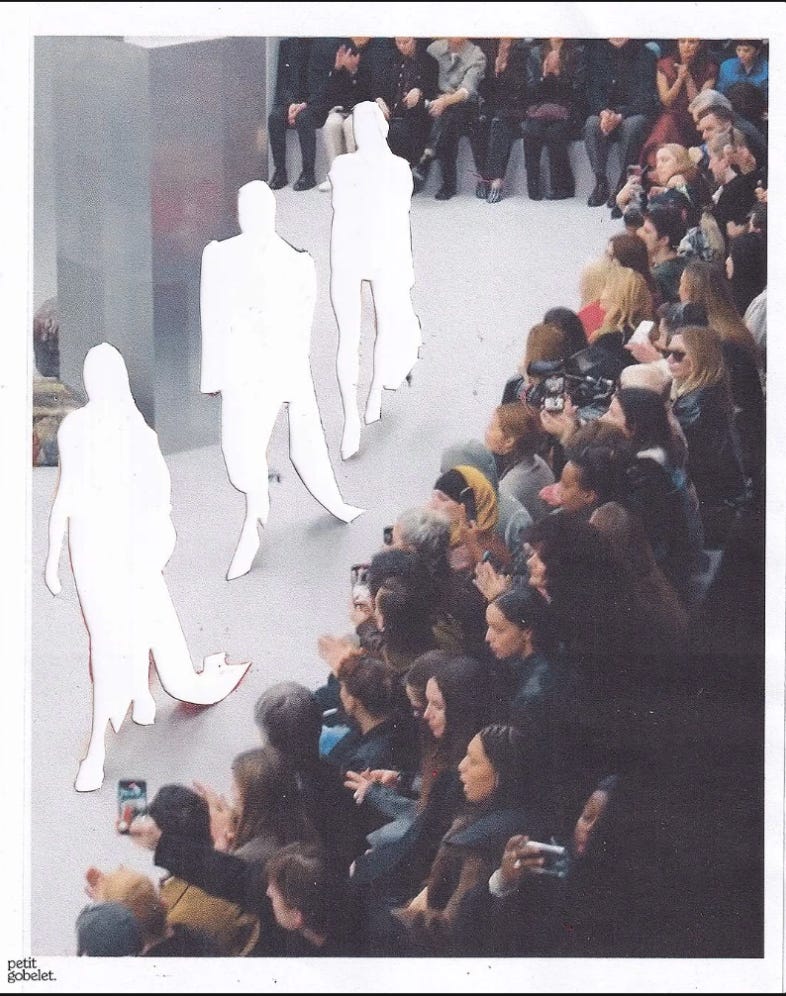
Last year was a big year for fashion tech.
Companies raised millions of dollars to build AI stylists, avatars, virtual try-on experiences, shopping assistants, smart glasses, digital wardrobes, and an AI-powered search built for fashion products. If you spend any time following the space, it can feel like a new solution launches every week.
I get the excitement, but this isn’t the first time investors have bet on technology’s role in fashion.
OG fashion tech, Stitch Fix and Rent the Runway, proved that a certain group of women would embrace new ways to discover and access fashion products. TheRealReal and Poshmark revolutionized secondhand online. But alongside those wins came plenty of misses. Does anyone remember the metaverse? Whatever happened to NFTs? Those -- along with early styling bots -- attracted funding and headlines, but failed to ever become meaningful consumer behaviors.
Of course, AI changed the equation.
The technology is dramatically better than it was a few years ago. Millions of people now use ChatGPT, Claude, and other AI tools in their daily lives. If consumers were ever going to embrace an AI stylist, shopping assistant, or an AI fashion search, now would seem like the appropriate time.
But what stood out to me about last year’s wave of investment wasn’t the technology itself. It was the assumption that better technology automatically leads to adoption.
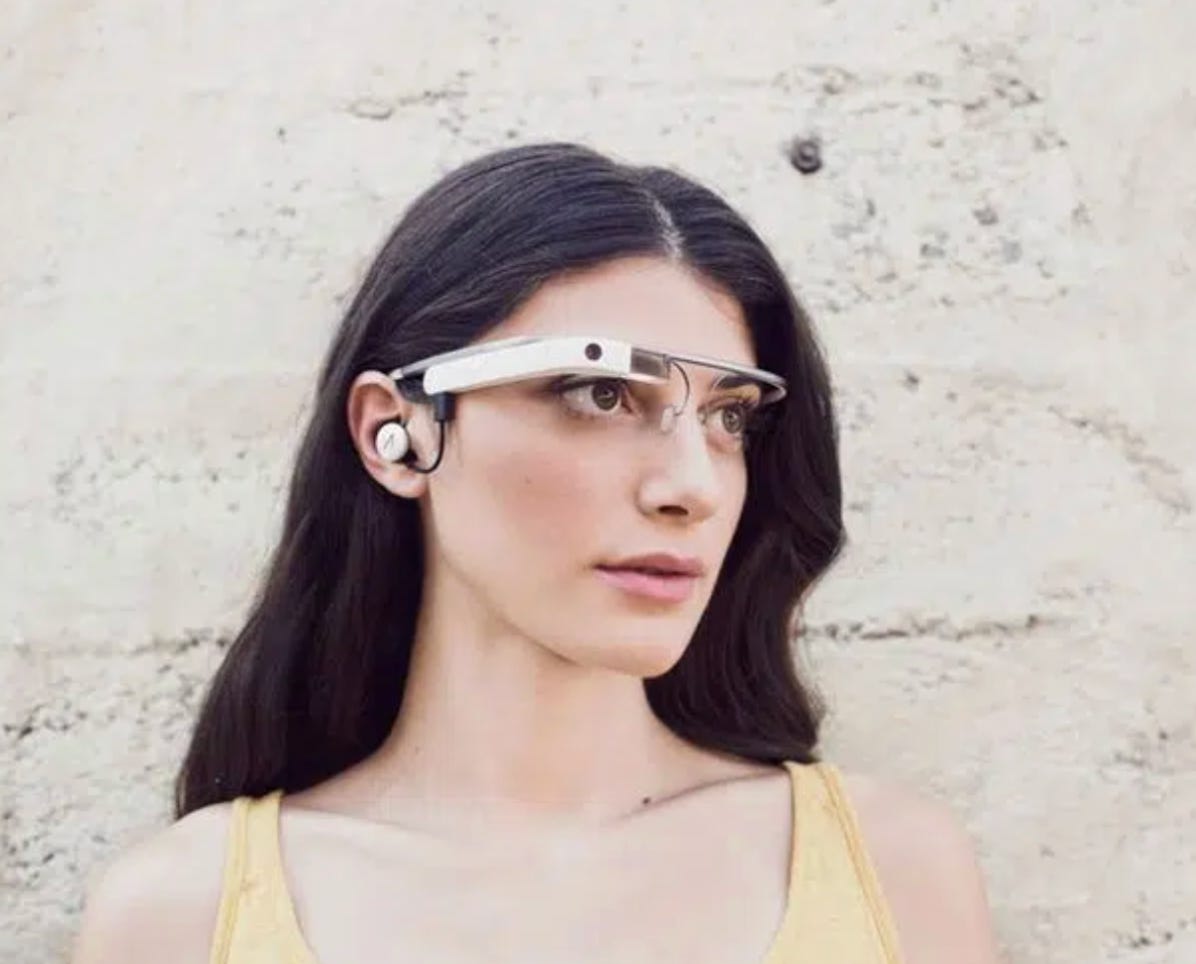
Google, Meta, Amazon, and Apple have the resources to build nearly every product category being funded today. In fact, they’re already doing it. Google dove into virtual try-on, launched AI shopping tools, introduced digital wardrobe functionality through Google Photos, and continues to invest in wearable technology. Meta is pushing smart glasses. Apple plans to blow us away with whatever wearables they’re cooking up.
Yet our group chats aren’t exploding with conversations about creating digital twins while shopping on Google. We’re not lining up outside of Best Buy to get smart glasses or watches in the way we once lined up for smartphones.
So why is that? Is it simply a matter of improving the technology until people adopt it?
Or is fashion different? The biggest challenge facing the category is likely not technical, but behavioral. Not whether we can build these products. Whether people actually want to use them.
—---------------------------------------------------------------------------------------------------
Technology Is Not the Moat
Format, brand ethos, and yes, taste, are though.
Recently I listened to Evan Spiegel on Lenny’s Podcast, where he talked about how, in a world where almost anyone can build almost anything, the real differentiator becomes understanding human behavior and connection. I feel the same way.
I don’t think adoption in fashion tech is simply a waiting game. The technologies will continue to improve. AI stylists will get better. Virtual try-on will become more realistic. Search will become more personalized. Smart glasses will get cheaper, and more useful. But the question remains: do these products fit naturally into behaviors people already have?
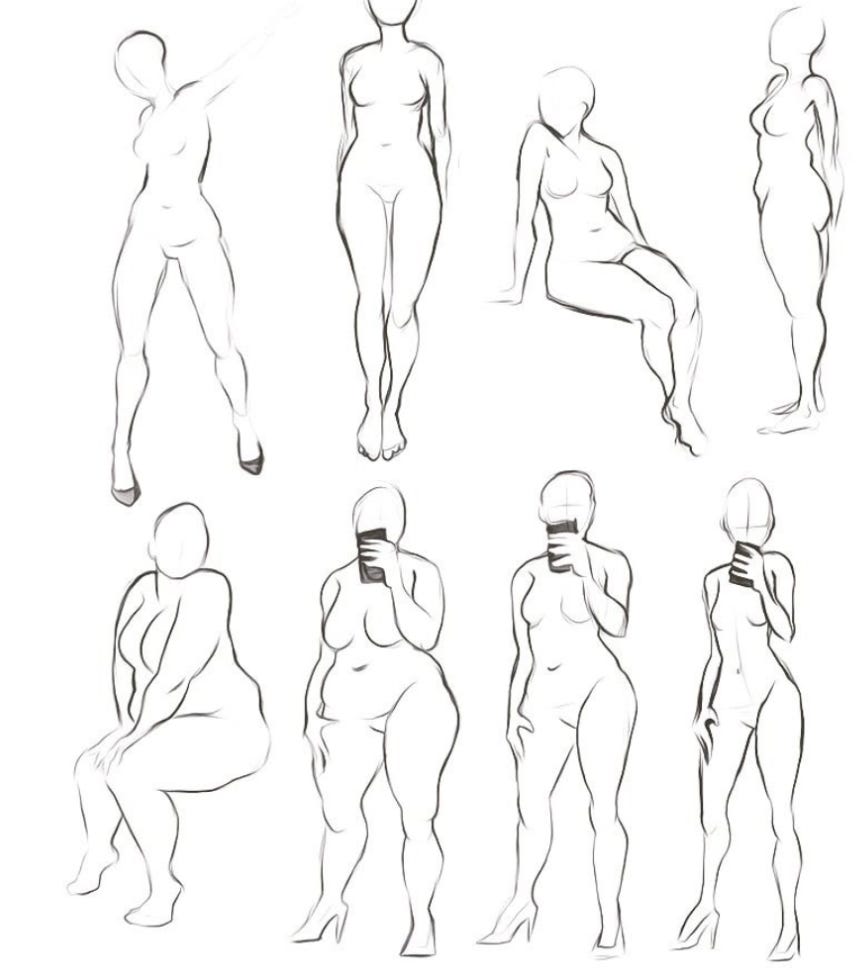
Does a dedicated search engine for fashion make sense when most people don’t actually know what they’re looking for? Does an AI stylist have real conviction if she can’t tell you those jeans stretched after five wears, that sweater pilled after two washes. Does virtual try-on solve a problem if the average person fluctuates in weight, has a complicated relationship with their body, or simply doesn’t want to see a digital version of themselves on a screen before making a purchase?
These aren’t technology questions. They’re human questions. They’re questions about trust, identity, aspiration, emotion, and behavior. Fashion, more than most industries, is built on those things.
Cloud Closet
This is probably where my merchandising background has shaped how I think about building products.
One of the first things you learn working in retail industry is that just because a customer says they want something doesn’t mean they’ll actually use it. Fashion is full of these contradictions. Do people really want Cher’s closet from Clueless? Does an IPad in one’s closet really make sense?
From my experience working across big box retail, luxury, specialty stores, corporate merchandising, and sales floors, I don’t think most people do.
I get it, in 2023 we set out to build something similar to what the fashion tech startup Alta launched. Wardrobe management, inspo—some kind of avatar, even!
The idea of wardrobe management came from a very real place. I’d lived in tiny apartments in New York, San Francisco, and Paris and always felt disconnected from what I owned in storage. But after trying existing solutions and spending years talking to consumers, I realized there is a difference between a problem people talk about and a habit they’re willing to adopt.
There is absolutely room for digital tools in our wardrobes. I believe that more than ever. But fashion isn’t as straightforward as tracking a run on Strava, logging a book on Goodreads, reviewing a restaurant on Beli, or rating a movie on Letterboxd.
Fashion is tied to identity. Emotion. Confidence. Community. Aspiration. And I realized a digital wardrobe isn’t enough to gain mass adoption as a tool. And avatars can make people feel bad about themselves.
What people want isn’t necessarily better fashion technology. They feel overwhelmed with options and want help finding stuff that will work for them. They want accessibility. They want to buy smarter and to buy less. And, more than anything, a greater sense of connection and community in all facets of their lives.
That’s what we’re working on in the fashion tech space.
We're having very similar thoughts. If we don't get real about how consumers actually behave (vs how we think they behave or even what they say they want), we'll never create a product that is a true breakout.
This was SUCH an amazing write up!! Finally a fashion person who has developed technology that understands that fashion consumer adoption is incredibly nuanced. I actually think advancements in how we connect with creators, which customers trust and feel authentic is where a lot of innovation will happen!